Understanding Autism Symbols: Meaning, History, and How They’re Used Today

Symbols help people communicate ideas quickly and create shared understanding. In the autism community, symbols have long been used to promote awareness, signal support, and encourage conversation. Over time, as understanding of autism has expanded through research, advocacy, and lived experience, the symbols used to represent autism have also evolved.

Today, there is no single image that represents every individual or family. Instead, a variety of symbols are used across schools, clinics, community organizations, and digital spaces. Exploring autism symbol history helps provide context for why different images exist and how they are used today across different settings.

This blog explores the history of autism symbols, the most commonly used imagery today, and best practices for choosing symbols that reflect dignity, inclusion, and respect for individuals with autism and their families.

A Brief History of Autism Symbols

The use of symbols to represent autism developed alongside early public awareness efforts. In the mid-20th century, autism was not widely understood, and outreach focused primarily on education and recognition. During this period, symbols were often used to introduce the public to autism and provide a visual reference point for learning and discussion.

As research advanced and diagnostic criteria became more clearly defined, autism awareness expanded beyond clinical settings. Symbols began appearing in educational materials, fundraising campaigns, and community events. Over time, these visuals became familiar to families, educators, and service providers and played a role in shaping early autism education efforts.

Understanding autism symbol history means recognizing that these images reflect the knowledge, language, and priorities of the time in which they were created. As conversations around autism have continued to grow and change, new symbols and designs have emerged to reflect evolving perspectives on inclusion, accessibility, and quality of life.

A Widely Recognized Autism Awareness Symbol

The puzzle piece is one of the earliest and most widely recognized symbols associated with autism. First introduced in the 1960s, it became closely associated with early autism education and public awareness efforts at a time when understanding of autism was still emerging.

Over the decades, the puzzle piece appeared in informational materials, advocacy campaigns, and community programs, becoming a familiar autism awareness symbol for many families, educators, and service providers. For some, it represents early recognition and the growth of autism-related resources and services.

Today, the puzzle piece continues to appear in certain contexts, often paired with language that emphasizes respect, support, and inclusion. As with any symbol, its meaning is shaped by how it is used, the audience it serves, and the values communicated alongside it.

Key considerations when using autism symbols include:

  • Familiarity: Some imagery is widely recognized and easy to identify
  • Audience: Interpretation may vary depending on community and setting
  • Intent: Symbols are most effective when paired with respectful, person-centered language

Common Autism Symbols Used Today

In addition to historically recognized imagery, many other symbols are commonly used to represent autism and the autism spectrum. These designs often emphasize individuality, diversity, and connection.

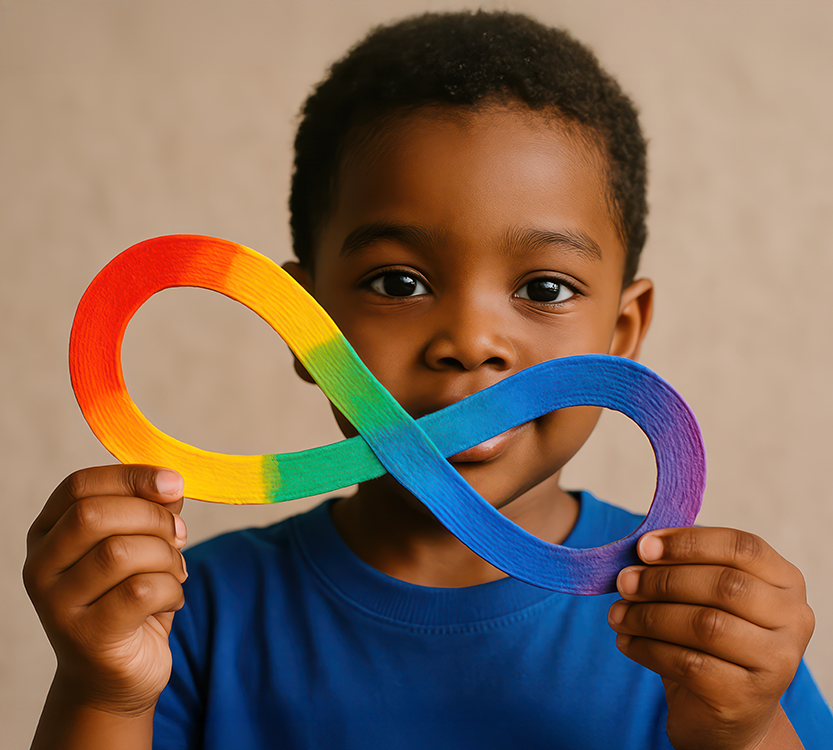
Rainbow Infinity Symbol

The rainbow infinity symbol is frequently used to represent the wide range of experiences across the autism spectrum. Its continuous shape reflects lifelong identity, while its colors highlight diversity and individuality.

Gold (“Au”) Imagery

Gold imagery, based on the chemical symbol “Au,” is often used in autism-related visibility efforts. Gold themes may appear in ribbons, pins, graphics, and educational materials and are commonly associated with recognition and community connection.

Spectrum-Inspired Designs

Abstract spectrum designs use gradients, flowing shapes, or geometric patterns to reflect variation and uniqueness. These visuals are often used in digital platforms and educational resources.

Heart and Community Motifs

Heart symbols and community-focused imagery are commonly used to express care, support, and connection. These designs highlight relationships and shared understanding.

There is no single official autism awareness symbol. Many organizations and families choose imagery that aligns with their values, audience, and goals.

Why Autism Symbols Matter

Symbols influence how messages are received and understood. In autism-related education and outreach, they can help promote awareness, encourage conversation, and signal support.

Autism symbols are frequently used during awareness and recognition efforts—particularly in April—across social media, schools, clinics, workplaces, and community events. When an autism awareness symbol is paired with clear explanations and meaningful actions, it can reinforce messages of respect, accessibility, and inclusion.

Symbols are most impactful when they are supported by inclusive practices and real-world efforts to support individuals with autism and their families.

Best Practices for Using Autism Symbols

Choosing autism symbols thoughtfully helps ensure they communicate the intended message clearly and respectfully.

Engage Individuals with Autism and Families

Including individuals with autism and family members in discussions about imagery provides valuable insight and helps ensure materials are relevant and respectful.

Clarify Your Purpose

Determine whether your goal is education, awareness, or community support. Your purpose should guide symbol selection and messaging.

Use Respectful, Strengths-Based Language

Symbols should be paired with language that emphasizes dignity, strengths, and access to support rather than focusing on limitations.

Design for Accessibility

Ensure materials are accessible by using high-contrast colors, readable fonts, alt text for images, captions for videos, and clear layouts.

Pair Symbols with Action

Imagery should be connected to tangible efforts such as training, accommodations, educational resources, or partnerships.

Adapt to the Setting

Different environments—schools, clinics, workplaces, and digital platforms—may require different approaches to imagery and messaging.

Using Autism Symbols in Schools, Clinics, and Workplaces

Symbols are most effective when they are part of broader efforts to support understanding and inclusion.

Schools

Schools can introduce symbols alongside age-appropriate explanations and pair them with inclusive teaching strategies, sensory-friendly options, and staff training.

Clinics

In clinical settings, autism symbols should align with respectful, family-centered care. Imagery can help create welcoming environments and support clear communication about services.

Workplaces

In workplaces, symbols can signal inclusive values when paired with flexible policies, clear communication practices, and accessibility accommodations.

Across all settings, explaining what a symbol represents and how it connects to meaningful support helps reinforce trust.

Language and Imagery: Supporting Respectful Representation

Symbols are only one part of how autism is represented. Language and visuals together shape understanding. Thoughtful wording helps ensure messages reflect dignity, autonomy, and respect.

  • Center lived experience by including perspectives from individuals with autism
  • Be specific when describing supports and accommodations
  • Avoid stereotypes or fear-based narratives
  • Invite ongoing feedback from families and the autism community

Frequently Asked Questions About Autism Symbols

Is there one official autism awareness symbol?
No. Multiple symbols are used today, and choice often depends on audience, setting, and purpose.

Why do different organizations use different symbols?
Symbol selection reflects organizational values, goals, and the communities being served.

What colors are commonly used in autism symbols?
Rainbow palettes emphasize diversity, gold imagery is commonly used in awareness efforts, and high-contrast designs support accessibility.

Can symbols be combined?
Yes. Combining design elements can help personalize materials while remaining inclusive and clear.

How can symbols support inclusion beyond awareness?
When paired with education, accessibility, and supportive practices, symbols help promote understanding and meaningful inclusion.

Key Takeaways

  • Autism symbol history reflects evolving understanding, advocacy, and community perspectives
  • Multiple autism symbols are used today, each with historical and contextual significance
  • Symbols are most effective when paired with respectful language and authentic support
  • Accessibility and community input should guide imagery choices
  • True inclusion is reflected in action, not just visibility

By choosing autism symbols thoughtfully, society can communicate dignity, belonging, and meaningful support for individuals with autism and their families.

Looking for support that goes beyond awareness? At LEARN, we believe inclusion is reflected in the care, partnership, and progress we build with families every day. Learn more about our compassionate autism care and how we support children and families across our communities by visiting our website.

College Accommodations for Autistic Students: What Actually Works

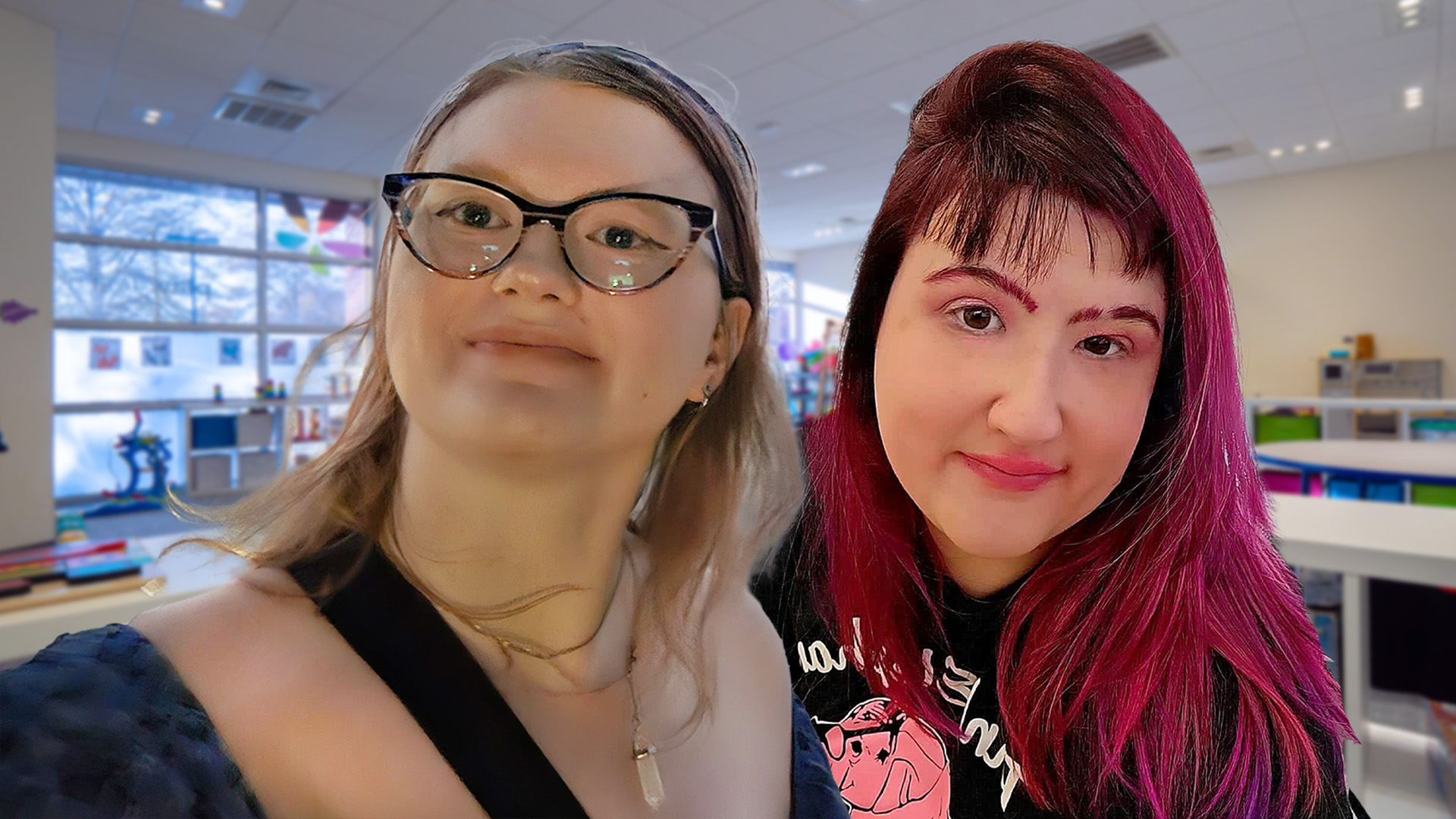
In this episode, Emilie Brotherton and Darby Schwien take us inside the ASCEND program at Missouri State University, a unique initiative supporting students with autism and other mental health challenges. They share how the program fosters connection through mentorship, social events, and a thoughtfully designed space for neurodivergent students. The conversation highlights the power of community, the impact of inclusive support systems, and offers helpful insight for prospective students exploring programs like ASCEND.

View the transcript, show notes, and previous episodes at: https://www.allautismtalk.com/episodes/college-accommodations-for-autistic-students

All Autism Talk is sponsored by LEARN Behavioral.

Autistic Voices Inside ABA: The Conversation the Field Needs

In this episode, Samantha and Reux—autistic adults working in applied behavior analysis—share their personal journeys from diagnosis to professional life. They reflect on early employment challenges, the critical role of workplace support, and why autistic voices matter in the field. Their stories offer hope to families, guidance for new behavior technicians, and a powerful reminder of the independence and success autistic individuals can achieve.

View the transcript, show notes, and previous episodes at: https://www.allautismtalk.com/episodes/autistic-voices-in-aba-the-conversation-the-field-needs

All Autism Talk is sponsored by LEARN Behavioral.

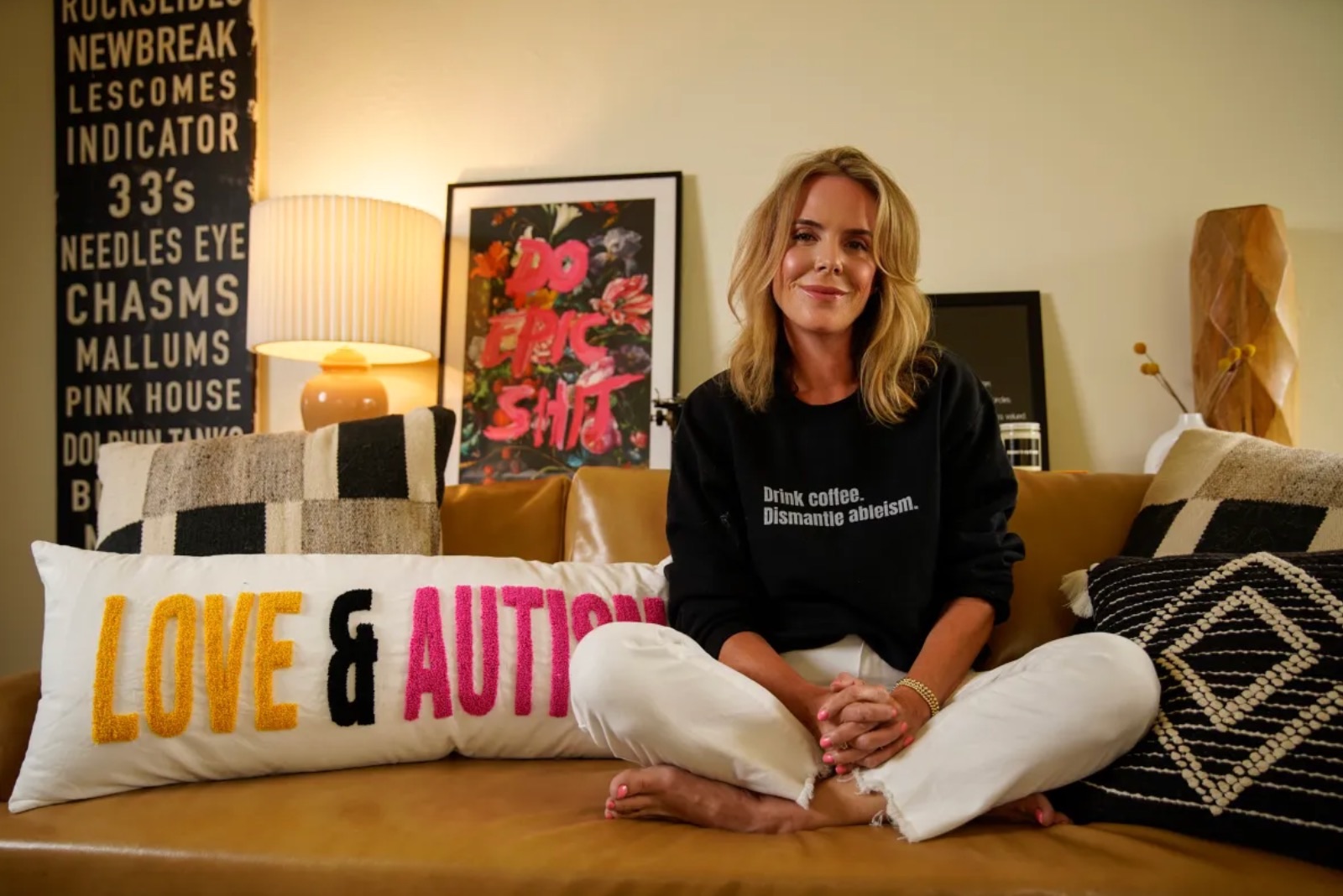
Dismantling Ableism and Centering Autistic Voices

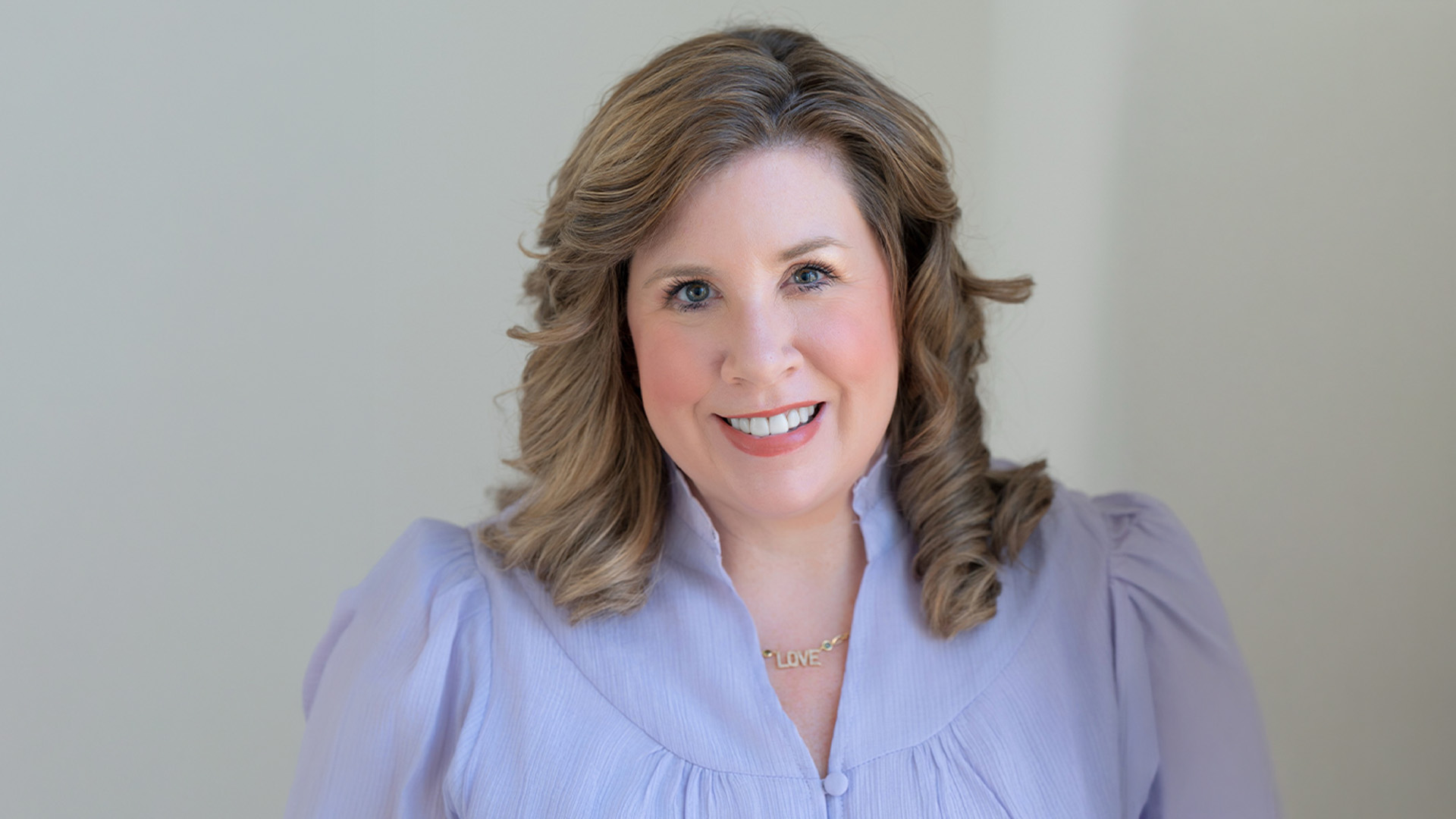
Jenny Palmiotto, founder of Love and Autism, joins us to share the inspiring journey behind the movement that’s redefining how we think about autism. Jenny explores what it truly means to create an autistic-affirming world—one where autistic voices are centered, support needs are seen as neutral, and ableism is actively dismantled.

From challenging ableist narratives to finding connection through humor and everyday activism, this conversation reminds us that inclusion starts with listening and learning. Jenny also gives a glimpse into the upcoming Moms Retreat, a nurturing space designed to support mothers of autistic children and build a stronger sense of community.

View the transcript, show notes, and previous episodes at: https://www.allautismtalk.com/episodes/dismantling-ableism-and-centering-autistic-voices

All Autism Talk is sponsored by LEARN Behavioral.

Q&A About ABA Therapy for Children with Autism: FAQ for Caregivers

Was your child recently diagnosed with autism? Are you beginning to navigate treatment for your child? Before you get started, check out these seven FAQs about ABA therapy.

What is the goal of ABA therapy?

ABA therapy is designed to support autistic individuals and their families, achieve their identified goals, and improve their quality of life. ABA-based interventions are supported by decades of research and enhance social, communication, play, and adaptive skills. Services incorporate the needs and interests of the autistic individual and their caregiver(s). A behavior analyst delivers the ABA services with the help of behavior technicians, who often provide direct care to the autistic individual. Services are tailored to the individual’s unique needs, with their feedback, and evolve over time. Services for children may look quite different than services for adults, given the individuals’ needs differ over time.

What is “contemporary ABA therapy”?

At LEARN, we refer to our approach as “contemporary ABA.” It is an evolved approach to ABA therapy that promotes individualized treatment, naturalistic and play-based teaching, and is person-centered. LEARN provides a contemporary approach that acknowledges the evolution of ABA, values the individual and their family, and creates space for individuality. Practicing contemporary ABA means that our behavior analysts deeply understand their responsibility to positively and meaningfully impact the lives of the individuals served.

How many hours of ABA therapy will my child receive?

Your child’s hours will be determined between you and your behavior analyst. Your behavior analyst recommends hours based on assessing your child’s needs, other therapies received, and your feedback as the parent/caregiver. Focused programs range from 10-25 hours per week, and comprehensive programs range from 30-40 hours weekly. At LEARN, we provide home-based, center-based, and community-based services, and you can reach out to your local clinical director to find out which services are available in your area.

Are your ABA therapy services individualized?

Absolutely! Each autistic person we serve is unique, and we believe that should be celebrated. Our goal is to promote individual interests and incorporate those into ABA therapy. Behavior analysts make individualized recommendations for services, including hours based on the child and customized goals that fit their needs. Behavior therapists receive training on how to understand the preferences of their clients and include those in sessions to make them fun, rewarding, and engaging.

How is neurodiversity integrated into your approach to ABA therapy?

Listening to the perspective of autistic folks has informed our approach to ABA therapy and led us to incorporate neurodiversity into our practice. Our goal is to elevate the autistic voices in our community, including the individuals we serve, our neurodivergent employees, and the greater neurodivergent community. We’re deeply committed to person-centered ABA therapy practices and promote assent-based care, meaning we validate the identities and experiences of neurodivergent folks and create space for autistic voices to be heard and upheld.

Will my child be required to do discrete trials and sit at a table?

Not all autistic folks benefi t from discrete trials or tabletop work. For example, a two-year-old child with lots of energy may benefit more from a play-based approach with the therapist sitting on the floor and embedding learning opportunities in play with their favorite toy. Behavior analysts overseeing the treatment plan take time to assess the individual’s needs and work collaboratively with the family to identify an approach to treatment that will work best for the child.

What if someone doesn’t want ABA therapy?

We understand that not everyone seeks ABA therapy, feels it’s the best fit, or perhaps, thinks it’s the right time to try. As with other medical services, the patient (along with their caregiver, if a child) has the right to decide when, if, and what treatment is right for them. Not all ABA therapy providers have the same approach, either, and LEARN supports a family’s right to choose a provider that meets their needs and is a good match for their treatment goals. We want families and our clients to be excited about services and encourage collaboration on our journey together.

Upholding Clinical Integrity: A Cornerstone for Leadership and Clinical Practice at LEARN Behavioral

Written by Dr. Ashley Williams, Ph.D., LABA, BCBA-D, Vice President

In the realm of healthcare and behavioral sciences, integrity stands as an unwavering pillar that supports both the practitioners and the individuals seeking assistance. Within LEARN Behavioral, a leading organization dedicated to enhancing lives through applied behavior analysis (ABA), the significance of clinical integrity resonates deeply, shaping not only the quality of services provided but also how we lead our teams.

The Essence of Clinical Integrity

Clinical integrity encompasses more than just adhering to ethical guidelines; it embodies a commitment to honesty, transparency, and a genuine dedication to the clients’ well-being. In the context of ABA, clinical integrity means adhering to evidence-based practices, valuing the principles of behavior analysis, and consistently providing high-quality services. As a leader at LEARN, integrity is my core value, and choosing to lead with integrity is a choice and commitment that I make each day to guide every decision I make.

Leadership and Clinical Integrity

As leaders, we understand that we serve as role models for our teams. We recognize that upholding clinical integrity isn’t just a checkbox but a responsibility that influences the organization’s culture and outcomes. When leaders prioritize integrity, it creates a ripple effect. Employees witness the importance of their work and feel empowered to maintain the same level of commitment. The leaders’ commitment to clinical integrity sets the tone for the team, fostering an environment of trust, professionalism, and continuous learning.

Impact on Employees

For employees, working within a culture of clinical integrity brings a profound sense of purpose, pride, and trust. When team members see their leaders consistently making ethical decisions and prioritizing evidence-based practices, it enhances their job satisfaction and motivation. They feel secure in the knowledge that they contribute to meaningful change in clients’ lives. This sense of fulfillment, in turn, translates into increased productivity, better teamwork, and reduced burnout.

Impact on Clients

Clients receiving ABA services from LEARN benefit from an organization rooted in clinical integrity. They can trust that their well-being is the top priority and that the interventions and strategies suggested are backed by contemporary, evidence-based behavior analysis. This trust is vital in fostering a strong therapist-client relationship, a cornerstone of successful behavior intervention. Clients experience progress that is not only effective but ethical, ensuring their dignity and respect are upheld throughout their journey.

What does clinical integrity look like each day? Here are a few examples:

  • Commitment to Neurodiversity: LEARN’s commitment to contemporary ABA and supporting neurodivergence goes hand-in-hand with clinical integrity by promoting the dignity and respect of all of our clients in all settings and at all times.
  • Continuous Professional Development: LEARN offers a monthly Speaker Series and a library of recorded trainings for our clinicians, allowing both behavior technicians (BTs) and behavior analysts access to continuing education on an ongoing basis.
  • Adherence to the Ethical Code: The Behavior Analyst Certification Board (BACB) Ethics Code and relevant state licensure requirements, as applicable, serve to guide our clinical practice.
  • Honesty in Reporting Data: As behavior analysts, we are responsible for maintaining data accurately and honestly.
  • Clinical Assessments and Evaluations: Regular assessments and evaluations ensure that practices remain aligned with the latest research and ethical standards. Our clinicians choose from a battery of assessments that includes norm-referenced and criterion-referenced tools that help inform their clinical practice.


A commitment to clinical integrity is at the heart of our practice at LEARN. As we see the field of behavior analysis evolve and as our company continues to grow and change, our support of clinical integrity is our constant. My hope as a leader is for all clinicians to make a renewed commitment to leading with integrity every day. Collectively, a shared commitment to honesty, transparency, and respect will profoundly impact the clients we serve and build trust in the autism community.

Ashley Williams is a Vice President at LEARN Behavioral.

How Neurodiverse Voices are Influencing the Evolution of ABA

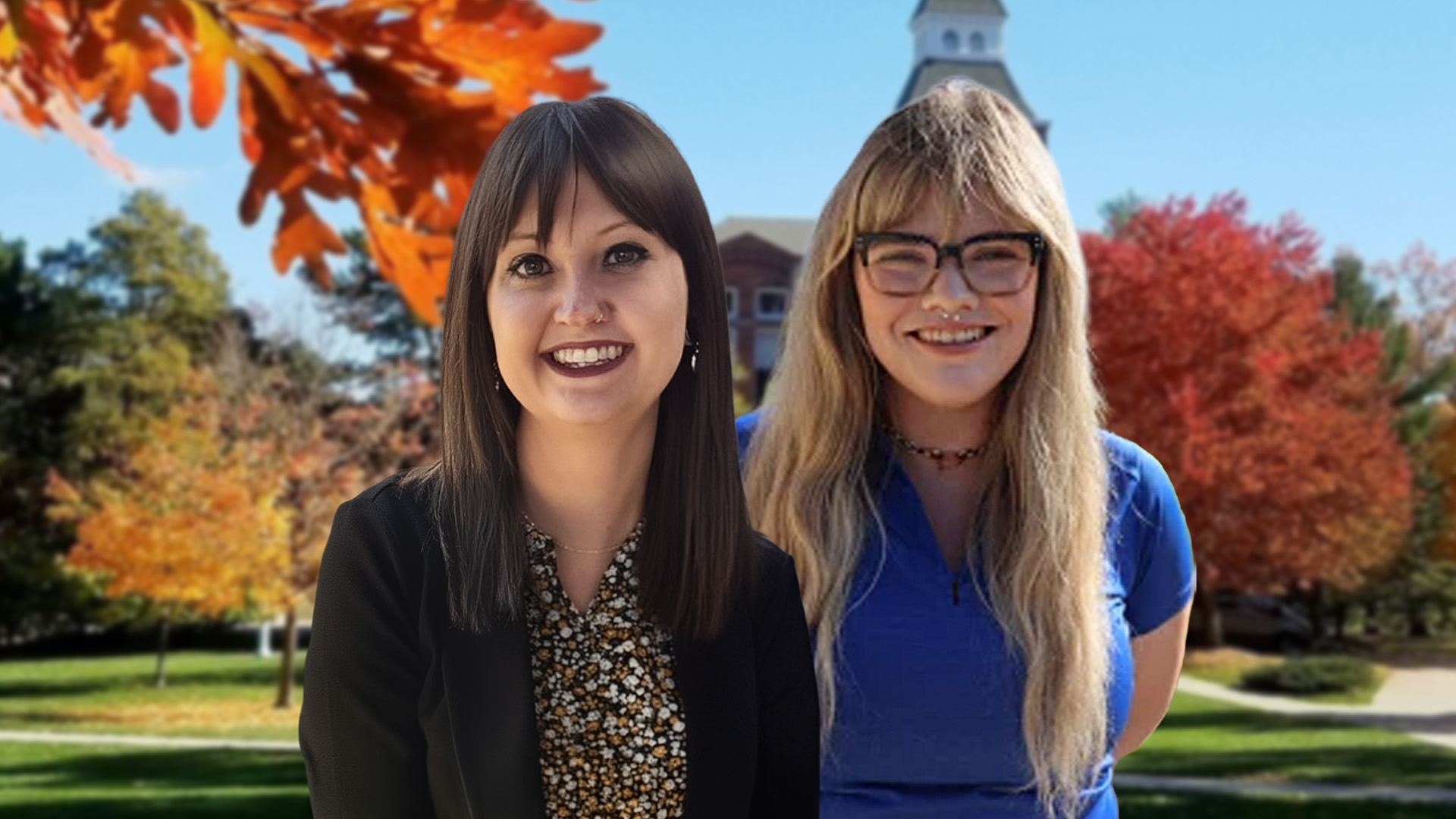
Dr. Becky Thompson, Director of Clinical Services for the Wisconsin Early Autism Project (WEAP), and Reux Lennon, Non-binary member of both the LGBT and Autism community and Lead technician with WEAP join us to share their work on the Person-Centered ABA team and the Neurodivergent Advisory Committee.  Dr. Thompson leads LEARN’s Person-Centered ABA team, which is a group of clinical leaders within LEARN who are dedicated to compassionate and individualized ABA services. Reux shares how their work as one of the original members of the Neurodivergent Advisory Committee is creating change and including neurodivergent voices and perspectives.

For more information visit:

https://learnbehavioral.com/culture/neurodiversity

All Autism Talk (https://www.allautismtalk.com/) is sponsored by LEARN Behavioral (https://learnbehavioral.com).

Neurodiversity – Origins and Impact

By Katherine Johnson. M.S., BCBA
Senior Director of Partnerships, LEARN Behavioral

Judy Singer is an autistic Australian social scientist. In the 1990’s, seeing echoes of her mother’s struggles in herself and her own daughter, it occurred to Singer that this common thread pointed to the possibility that their differences were actually neurological traits. They were having a first-hand experience of that part of biodiversity that is the natural range of variations in brain functioning: she coined it neurodiversity

The neurodiversity paradigm considers all brains to be normal; brain differences are simply the neurological counterpart to genetic variations in height, eye color, or hair color. Scientists consider such variation in biological traits to be essential to the health of individual populations and entire ecosystems.  When viewing autism through the lens of neurodiversity, it comes to light that some of the individual differences that have been assumed to need remediation in the past, may actually be important in helping society as a whole make progress through new and different ways of thinking. 

The concept of neurodiversity has been enthusiastically embraced by that portion of the autistic community who are able to speak, as it promises to alleviate some of the bias and discrimination they have experienced. Their common message? Specific words and types of support can have unintended negative effects, causing them to feel inferior, powerless, misunderstood.  

Arising from these negative experiences is a more widespread understanding of how words and actions affect the private events (thoughts and feelings) of people on the spectrum. ABA practitioners are charged by the BACB Ethical Code to “treat others with compassion, dignity, and respect,” and the voices of the neurodivergent convey essential information about ways to do this. 

LEARN’s Response

LEARN’s neurodiversity initiative is a direct result of listening to the insights of autistic folks who are able to express their experiences of living in a society that was built for neurotypical people. 

  • Development of a Person-Centered ABA workgroup – Learn Leadership charged a workgroup of clinical leaders with the task of supporting clinicians in reaching our vision for a neurodiversity-informed, Person-Centered ABA approach. The workgroup includes clinicians, supervisors, and clinical development individuals. 

  • Forming of a Neurodivergent Advisory Committee – The first action of the Person-Centered ABA workgroup was to formalize a process for getting input from the neurodivergent community.  The committee is made up of neurodivergent clinicians and non-clinicians who work at LEARN; they meet regularly to review and give feedback on articles, trainings, and other materials, and are compensated for their role on the committee.      

  • Co-creation of the Values Statement – The Person-Centered Workgroup and the Neurodivergent Advisory Committee co-created a values statement, entitled “LEARN Values Neurodiversity.” The statement was written in order to express our position to our clinicians and also guide subsequent actions by the Person-Centered ABA Workgroup. It was presented at an internal training and is available on our website. 
  • Communication – Shifting the mindset of a large organization doesn’t happen overnight. In order to connect regularly with our clinicians on person-centered topics, a portion of our monthly video message to clinicians includes information about subjects related to neurodiversity, such as ableism, assent, and including client input in treatment planning. It’s important that staff are not only hearing this information but also discussing it, so each month, clinical teams engage in discussions with their colleagues on these topics. 

  • Assent Leadership Workgroup – With the addition of “assent” to the BACB ethical code and the subject’s importance to treating our clients with compassion, dignity, and respect, LEARN is offering “guided exploration” groups in assent that meet regularly for four months. The intention is to create local leaders in Assent-Based Programming throughout our network.   

  • Treatment Plan Evaluations – Our Treatment Plan Evaluation team works hard to review clinicians’ clinical work through the permanent product of their treatment plans. These reviewers have been given resources to help them identify Person-Centered practices to promote in their feedback.

  • New Hire Training – In the 2022 revision of our New Hire Training for behavior technicians, we are explicitly teaching them about neurodiversity and assent, as well as ensuring that language throughout is respectful, and that programming examples fit Learn’s conception of Person-Centered ABA.
     
  • Autistic Voices – Throughout this process, we are having an increasing number of autistic guests on our podcast and making it a regular practice to interview autistic folks for guest blog posts.  These are ways that we can listen to autistic voices ourselves and also use our resources to center those voices in the ongoing cultural conversation.

As ABA practitioners, we have always cared about our clients – helping and supporting others is our entire reason for being. In the initial years of our still-young field, that care was expressed by taking a singular approach: teaching skills to help them function in our society. As autistic self-advocates find more channels by which to make their voices heard, the themes that are emerging tell us that there is more to supporting this community than just teaching skills. For instance, using words that validate our clients’ identities and sense of self is important. We can create a positive emotional experience for the people we support during the learning process – by listening to them and giving them agency. And most importantly: where success measures are concerned, our clients’ quality of life should be central.

LEARN is listening. 

To learn more about neurodiversity, check out our other blogs “Voices for All: Ash Franks” and “Neurodiversity: What It Means, Why It Matters.”

Voices for All: Ash Franks Talks about Supporting Autistic People While Being Autistic and Her Role on LEARN’s New Neurodiversity Advisory Committee

In September 2020, LEARN convened a group of neurodivergent staff to form our Neurodivergent Advisory Committee. The committee reviews and gives feedback on matters relating to neurodiversity and other person-centered ABA topics and was instrumental in the content, messaging, and visual design of LEARN’s Neurodiversity Values Statement. We asked Ash Franks, a member of the Neurodivergent Advisory Committee, to share her thoughts with us.   


HI, ASH! FIRST, I’D LIKE TO ASK YOU WHAT IT MEANS TO YOU TO BE AN AUTISTIC PERSON SUPPORTING OTHER AUTISTIC PEOPLE? 

Supporting other autistic people while being autistic means listening to what they have to say, however they communicate it, whether it be through an AAC device, sign language, PECS, or verbal language. It also means giving them breaks if they need it, and allowing them to use tools to cope (e.g. stuffed animals, headphones, weighted blankets, etc.). Looking back on my experiences as an autistic child has been very helpful in trying to help children who are at AST.

HOW DOES BEING AUTISTIC INSPIRE YOUR WORK IN ABA? 

Being autistic allows me to see different perspectives and ideas compared to neurotypical people, as they tend to think differently than I do.

TELL US A LITTLE BIT ABOUT THE NEURODIVERGENT ADVISORY COMMITTEE AND HOW IT WORKS. 

Basically, we are trying to re-vamp ABA materials through a more neurodivergent-friendly lens, so we can make our treatment as effective as possible. Having autistic people and other neurodivergent people look at ABA therapy through their eyes allows them to explain what works and what doesn’t work. This way, we can work to have treatment be as effective, safe, and as fun as possible for everyone involved. Having BCBAs see the autistic perspective is important because we have direct experience with what worked for us growing up versus what didn’t and might be able to help streamline the treatment to be as effective as possible.

CAN YOU GIVE ME AN EXAMPLE OF SOME FEEDBACK YOU HAVE GIVEN IN YOUR ROLE ON THE COMMITTEE? 

I tend to give feedback on the more artistic and creative side of things, as I am very geared towards having an eye for creative things in the world.

FROM YOUR PERSPECTIVE, WHY IS IT SO IMPORTANT TO INCLUDE AUTISTIC PERSPECTIVES IN OUR FIELD? 

Including autistic people in ABA is super important because we need to account for neurodivergent perspectives to make treatment as effective as possible. Since I am autistic, I can give a firsthand account of what has personally worked for me throughout my life, and what hasn’t. I myself was never in ABA therapy growing up, but I did other types of therapies that I also have found helpful from time to time.

WHAT ARE SOME OTHER PLACES IN OUR SOCIETY THAT YOU THINK IT WOULD BE HELPFUL TO LISTEN TO THE AUTISTIC PERSPECTIVE?

I think listening to autistic perspectives in the workplace would be very helpful. I think having a quiet room for staff that has sensory toys specific for staff would be very helpful, also maybe including a comfy place to sit with a weighted blanket would be good too. Another place it would be helpful to listen to autistic people is when it comes to shopping at malls, since malls can be overwhelming for most autistic people. I know some stores have “quiet” shopping hours where they reduce the lighting and turn off the music, and I really wish more places would do this.

ASH, THANK YOU FOR YOUR THOUGHTS AND FOR THE EXCELLENT WORK YOU’RE DOING ON THE NEURODIVERGENT ADVISORY COMMITTEE!

Ash Franks is a Behavior Technician for Learn Behavioral. Ash works in AST’s Hillsboro, Oregon location. Outside of work, she enjoys photography, cooking, video games, and spending time with family and friends. 

Myth: People with Autism Don’t Feel Love

by Katherine Johnson. M.S., BCBA
Senior Director of Partnerships, LEARN Behavioral

 “One of the most Googled questions neurotypicals ask about dating on the autism spectrum is, ‘Can autistic people fall in love?’” says Tasha Oswald, Ph.D., a licensed psychologist, on her blog series Dating on the Autism Spectrum. “To be honest, this question always catches me off guard,” she says. “Of course, they can.”

For those of us who know and love people on the spectrum, the question may be: how is this myth still around? For one thing, widespread abelism in our culture means that media often depicts love as happening only between people who match some arbitrary standard of ability, beauty, intelligence, or “cool” that the majority of us don’t meet. This perception is compounded by the communication differences that are a defining feature of autism: autistic people either have difficulty communicating or communicate differently than neurotypicals, including expressions of love and attraction. Additionally, sensory differences can make physical expressions of love a little more complicated, requiring explicit communication that, again, may be a challenge. And of course, it shouldn’t be missed that in general, love can be an overwhelming and confusing part of the human condition, including, but not limited to, autistic humans.

Expressions of love

The fact that autistic people experience the full range of human emotions, including love, is indisputable.

A recent article in the journal Autism examined the lived experience of autistic mothers with children ages 5-15. Answering open-ended questions in a semi-structured interview, mothers spoke of their connections with their children using the words “love,” “bond,” and “complete adoration.” Reading their accounts highlights that in spite of the barriers many of them face, their emotional experiences are quite familiar. For instance, one expressed that she felt worried that her love for her second child wouldn’t be as strong as it was for her first – a nearly universal experience of parents of multiple children (Of course, in the end she was “pleasantly surprised” that this wasn’t the case.).

Austin John Smith is an autistic blogger who has shared his experience moving in with a girlfriend and getting used to living together before getting married. As he writes lovingly about their day-to-day lives, he describes the things they have in common, their differences, how they share their emotions, and how they support each other. Smith says, “I love her more than anything in this whole world, and I am 1000% willing to go through anything with her…”

But these are stories of autistic folks who can speak and express their feelings. What about those who are unable to communicate verbally?  Laura Cunningham has first-hand experience. The Pueblo, Colorado, woman adopted her son, Spencer, when he was 11. He’s 19 now. He’s on the spectrum and is non-verbal. But “he feels love,” his mom says. Not only does he hug her and hold her hand, but he also has his own way of expressing emotion, one example of which chokes her up. It was the beginning of the school year, and she was talking to him about school. Spencer was excited and did something he had never done before: he picked up his phone and found certain sections of songs that he wanted to play for her over and over. The meaningful lyrics were his way of expressing what he was feeling.

Barriers

Although difficulty in love has been the subject of countless songs, stories, and myths since the beginning of time, autistic folks may have additional strains on their emotional connections. Sensory differences mean that the types of physical expressions of love that our society views as “typical” may not serve the same function for autistic people. For instance, the sensation of kissing may not spark the same warm feelings in an autistic partner that a neurotypical person would expect. Reading social cues, being flexible to accommodate a partner’s needs, and expressing their own emotional needs can all be challenging for autistics. For non-verbal autistic people, expressions of affection can be tragically misunderstood; one mother of a non-verbal autistic teenager named Sam related that “if a 17-year-old boy in his high school puts his arm around somebody, that’s considered fine. My son puts his arm around somebody, he gets an incident report.”

Support: Translating to the other side.

Autism expert Peter Gerhardt repeated a question posed to him by a friend on the spectrum: “if you neurotypicals have all the skills, why don’t you adapt for a while, damn it?”

So, what is society doing to support autistic people in their human quest for love? There are certainly more resources today than there were a decade ago, with support groups devoted to neurodiverse couples, books and resources for autistic people, online communities where neurodivergent people can support each other in their relationship challenges, and even a television show devoted to the topic, Love on the Spectrum.

Even so, more mechanisms for support are needed. Gerhardt says, “When I talk to professionals about the issue of sexuality and relationships on the autism spectrum, they often say, well, parents don’t want to deal with this, parents are afraid to deal with this. And then when I talk to parents about the issue, they say, well, professionals don’t want to deal with it. So, what ends up happening, is nobody deals with it, and it becomes, sort of this, you know, elephant in the living room that nobody is really dealing with.”

Debunking the myth

Society often sends the message that there is a “right way” to express love. People who love someone with autism and are loved by them know that affection can be expressed in a wide variety of ways. Still, that societal standard of what is “right” can lead autistic people to try to be someone they are not.  Anyone who has tried to be a “better version” of themselves for a partner knows how much energy it takes and that the relationships often fail. Masking is stressful and harmful. We can all help to destigmatize love among people with neurological differences and work to find more ways to support our autistic brothers and sisters in this integral part of the human experience.

Thankfully, there are a lot of beautiful success stories out there. Austin John Smith writes of his wife, “Despite all the good times we have had, there have been times where being on the spectrum has made things difficult for Annie and me. What can I say? I’m not perfect. I never will be. I just am who I am. But what I do each and every day with her is what I consider trying to do my best.” We should all be so lucky to have a partner with his perspective.