Understanding Autism Symbols: Meaning, History, and How They’re Used Today

Symbols help people communicate ideas quickly and create shared understanding. In the autism community, symbols have long been used to promote awareness, signal support, and encourage conversation. Over time, as understanding of autism has expanded through research, advocacy, and lived experience, the symbols used to represent autism have also evolved.

Today, there is no single image that represents every individual or family. Instead, a variety of symbols are used across schools, clinics, community organizations, and digital spaces. Exploring autism symbol history helps provide context for why different images exist and how they are used today across different settings.

This blog explores the history of autism symbols, the most commonly used imagery today, and best practices for choosing symbols that reflect dignity, inclusion, and respect for individuals with autism and their families.

A Brief History of Autism Symbols

The use of symbols to represent autism developed alongside early public awareness efforts. In the mid-20th century, autism was not widely understood, and outreach focused primarily on education and recognition. During this period, symbols were often used to introduce the public to autism and provide a visual reference point for learning and discussion.

As research advanced and diagnostic criteria became more clearly defined, autism awareness expanded beyond clinical settings. Symbols began appearing in educational materials, fundraising campaigns, and community events. Over time, these visuals became familiar to families, educators, and service providers and played a role in shaping early autism education efforts.

Understanding autism symbol history means recognizing that these images reflect the knowledge, language, and priorities of the time in which they were created. As conversations around autism have continued to grow and change, new symbols and designs have emerged to reflect evolving perspectives on inclusion, accessibility, and quality of life.

A Widely Recognized Autism Awareness Symbol

The puzzle piece is one of the earliest and most widely recognized symbols associated with autism. First introduced in the 1960s, it became closely associated with early autism education and public awareness efforts at a time when understanding of autism was still emerging.

Over the decades, the puzzle piece appeared in informational materials, advocacy campaigns, and community programs, becoming a familiar autism awareness symbol for many families, educators, and service providers. For some, it represents early recognition and the growth of autism-related resources and services.

Today, the puzzle piece continues to appear in certain contexts, often paired with language that emphasizes respect, support, and inclusion. As with any symbol, its meaning is shaped by how it is used, the audience it serves, and the values communicated alongside it.

Key considerations when using autism symbols include:

  • Familiarity: Some imagery is widely recognized and easy to identify
  • Audience: Interpretation may vary depending on community and setting
  • Intent: Symbols are most effective when paired with respectful, person-centered language

Common Autism Symbols Used Today

In addition to historically recognized imagery, many other symbols are commonly used to represent autism and the autism spectrum. These designs often emphasize individuality, diversity, and connection.

Rainbow Infinity Symbol

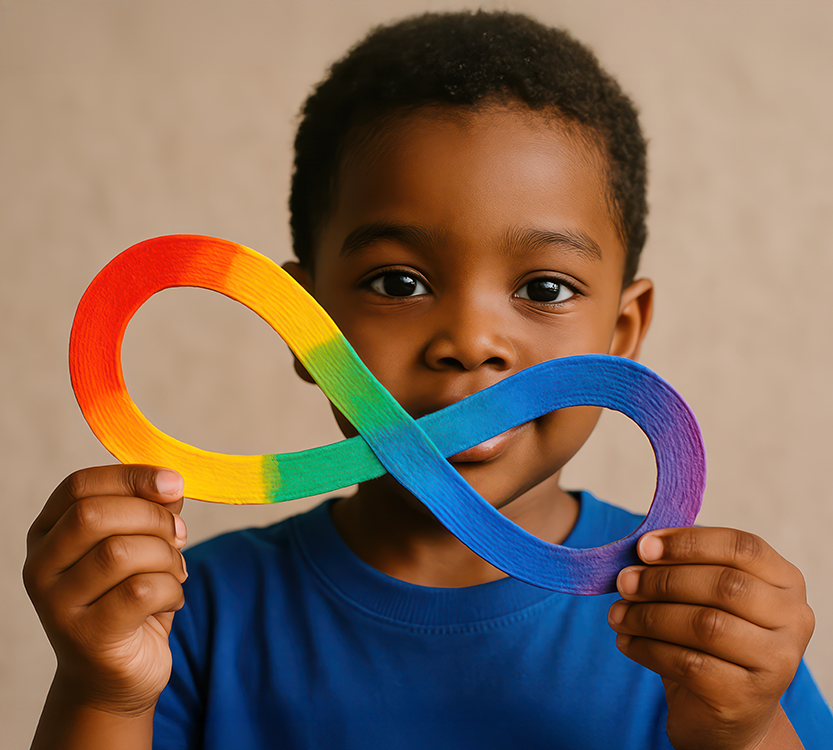
The rainbow infinity symbol is frequently used to represent the wide range of experiences across the autism spectrum. Its continuous shape reflects lifelong identity, while its colors highlight diversity and individuality.

Gold (“Au”) Imagery

Gold imagery, based on the chemical symbol “Au,” is often used in autism-related visibility efforts. Gold themes may appear in ribbons, pins, graphics, and educational materials and are commonly associated with recognition and community connection.

Spectrum-Inspired Designs

Abstract spectrum designs use gradients, flowing shapes, or geometric patterns to reflect variation and uniqueness. These visuals are often used in digital platforms and educational resources.

Heart and Community Motifs

Heart symbols and community-focused imagery are commonly used to express care, support, and connection. These designs highlight relationships and shared understanding.

There is no single official autism awareness symbol. Many organizations and families choose imagery that aligns with their values, audience, and goals.

Why Autism Symbols Matter

Symbols influence how messages are received and understood. In autism-related education and outreach, they can help promote awareness, encourage conversation, and signal support.

Autism symbols are frequently used during awareness and recognition efforts—particularly in April—across social media, schools, clinics, workplaces, and community events. When an autism awareness symbol is paired with clear explanations and meaningful actions, it can reinforce messages of respect, accessibility, and inclusion.

Symbols are most impactful when they are supported by inclusive practices and real-world efforts to support individuals with autism and their families.

Best Practices for Using Autism Symbols

Choosing autism symbols thoughtfully helps ensure they communicate the intended message clearly and respectfully.

Engage Individuals with Autism and Families

Including individuals with autism and family members in discussions about imagery provides valuable insight and helps ensure materials are relevant and respectful.

Clarify Your Purpose

Determine whether your goal is education, awareness, or community support. Your purpose should guide symbol selection and messaging.

Use Respectful, Strengths-Based Language

Symbols should be paired with language that emphasizes dignity, strengths, and access to support rather than focusing on limitations.

Design for Accessibility

Ensure materials are accessible by using high-contrast colors, readable fonts, alt text for images, captions for videos, and clear layouts.

Pair Symbols with Action

Imagery should be connected to tangible efforts such as training, accommodations, educational resources, or partnerships.

Adapt to the Setting

Different environments—schools, clinics, workplaces, and digital platforms—may require different approaches to imagery and messaging.

Using Autism Symbols in Schools, Clinics, and Workplaces

Symbols are most effective when they are part of broader efforts to support understanding and inclusion.

Schools

Schools can introduce symbols alongside age-appropriate explanations and pair them with inclusive teaching strategies, sensory-friendly options, and staff training.

Clinics

In clinical settings, autism symbols should align with respectful, family-centered care. Imagery can help create welcoming environments and support clear communication about services.

Workplaces

In workplaces, symbols can signal inclusive values when paired with flexible policies, clear communication practices, and accessibility accommodations.

Across all settings, explaining what a symbol represents and how it connects to meaningful support helps reinforce trust.

Language and Imagery: Supporting Respectful Representation

Symbols are only one part of how autism is represented. Language and visuals together shape understanding. Thoughtful wording helps ensure messages reflect dignity, autonomy, and respect.

  • Center lived experience by including perspectives from individuals with autism
  • Be specific when describing supports and accommodations
  • Avoid stereotypes or fear-based narratives
  • Invite ongoing feedback from families and the autism community

Frequently Asked Questions About Autism Symbols

Is there one official autism awareness symbol?
No. Multiple symbols are used today, and choice often depends on audience, setting, and purpose.

Why do different organizations use different symbols?
Symbol selection reflects organizational values, goals, and the communities being served.

What colors are commonly used in autism symbols?
Rainbow palettes emphasize diversity, gold imagery is commonly used in awareness efforts, and high-contrast designs support accessibility.

Can symbols be combined?
Yes. Combining design elements can help personalize materials while remaining inclusive and clear.

How can symbols support inclusion beyond awareness?
When paired with education, accessibility, and supportive practices, symbols help promote understanding and meaningful inclusion.

Key Takeaways

  • Autism symbol history reflects evolving understanding, advocacy, and community perspectives
  • Multiple autism symbols are used today, each with historical and contextual significance
  • Symbols are most effective when paired with respectful language and authentic support
  • Accessibility and community input should guide imagery choices
  • True inclusion is reflected in action, not just visibility

By choosing autism symbols thoughtfully, society can communicate dignity, belonging, and meaningful support for individuals with autism and their families.

Looking for support that goes beyond awareness? At LEARN, we believe inclusion is reflected in the care, partnership, and progress we build with families every day. Learn more about our compassionate autism care and how we support children and families across our communities by visiting our website.

Dismantling Ableism and Centering Autistic Voices

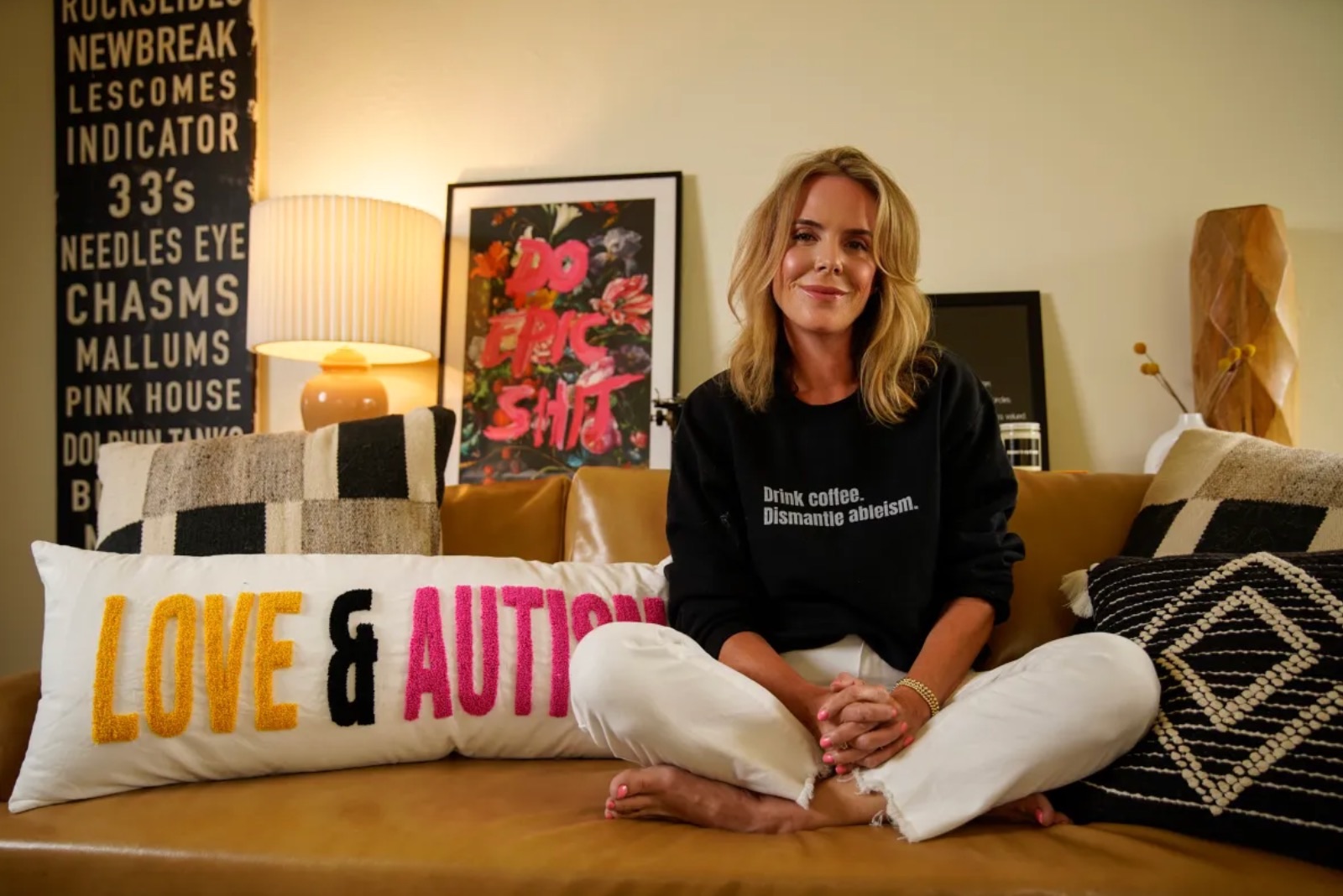
Jenny Palmiotto, founder of Love and Autism, joins us to share the inspiring journey behind the movement that’s redefining how we think about autism. Jenny explores what it truly means to create an autistic-affirming world—one where autistic voices are centered, support needs are seen as neutral, and ableism is actively dismantled.

From challenging ableist narratives to finding connection through humor and everyday activism, this conversation reminds us that inclusion starts with listening and learning. Jenny also gives a glimpse into the upcoming Moms Retreat, a nurturing space designed to support mothers of autistic children and build a stronger sense of community.

View the transcript, show notes, and previous episodes at: https://www.allautismtalk.com/episodes/dismantling-ableism-and-centering-autistic-voices

All Autism Talk is sponsored by LEARN Behavioral.

What You Didn’t Know About the Hurdles of Autism Care in Illinois

In this episode, we sit down with Karem Alnatafgi and Heather Teichman from the Illinois Providers for ABA Access and Quality (IPAAQ) to explore the challenges and complexities of providing high-quality ABA therapy in Illinois. From limited access and inconsistencies in care to the impact of licensure laws and the corporate practice of medicine, they break down the issues that shape the autism services landscape across the state.

While the conversation centers on Illinois, these challenges are far from unique — providers, families, and advocates across the country are facing similar obstacles. Karem and Heather emphasize the power of provider collaboration, community involvement, and advocacy to drive change not just locally, but nationwide.

This conversation offers insight, hope, and a call to action for anyone invested in improving autism services across the U.S.

View the transcript, show notes, and previous episodes at: https://www.allautismtalk.com/episodes/hurdles-of-autism-care-in-illinois

All Autism Talk is sponsored by LEARN Behavioral.

Shaping the Future: Influential Women in Autism and ABA Therapy

March is Women’s History Month. It’s a time to celebrate the accomplishments of women in all walks of life.

In the area of autism and contemporary applied behavior analysis (ABA) therapy, many women have made a lasting mark. They’ve broken barriers. They’ve conducted significant research, and they’ve paved the way for better understanding and treatment of autism.

Today, we spotlight seven women who have shown us what it means to lead with passion, dedication, and commitment. They are making a difference, and their work continues to inspire future generations of women in the field.

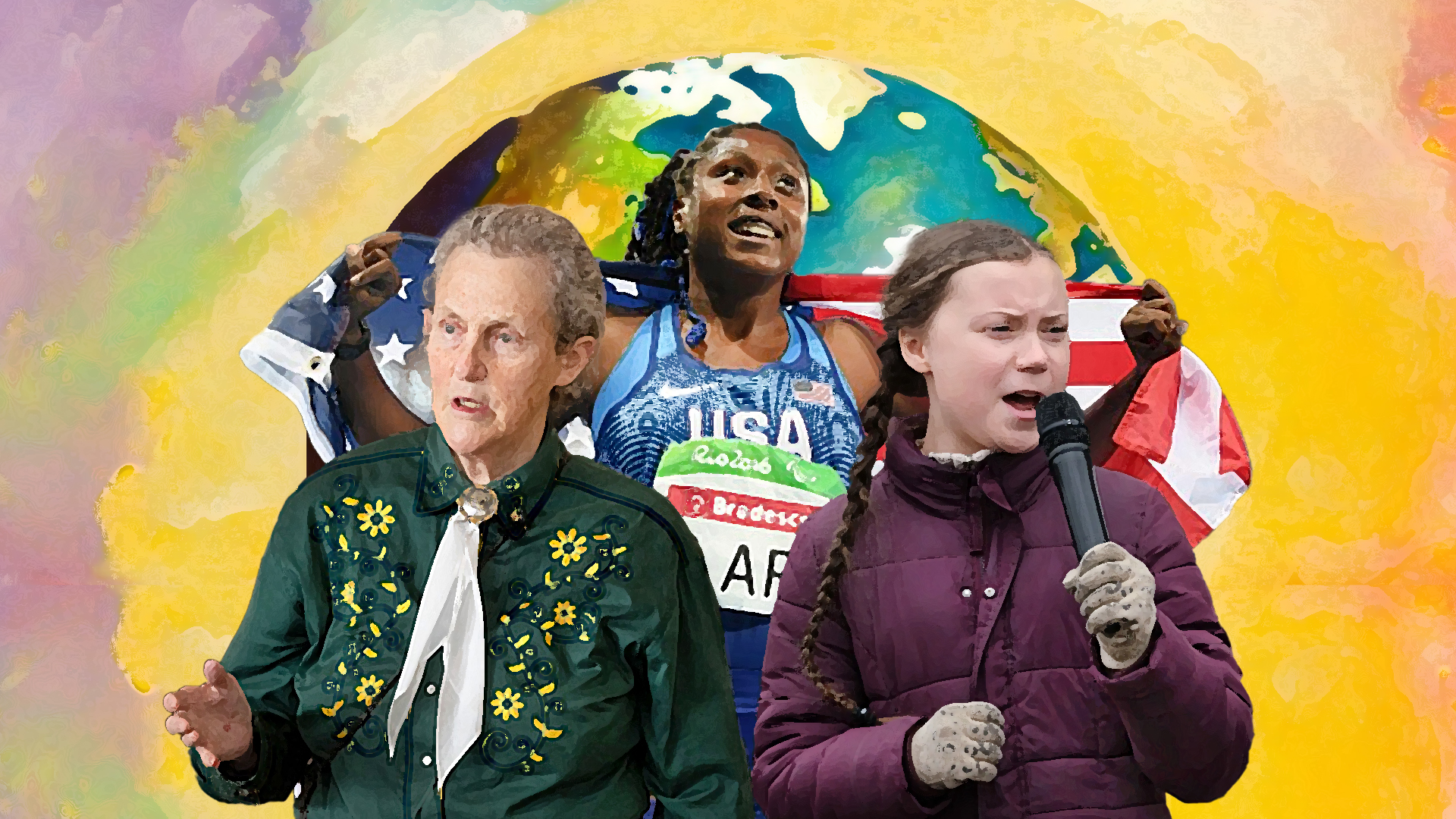
1. Temple Grandin: The Trailblazing Voice in Autism Advocacy

Temple Grandin, Ph.D., is a name synonymous with autism advocacy. Born in 1947, she was diagnosed with autism in early childhood. Despite the challenges, she went on to become an esteemed academic and animal behaviorist. She has gained recognition for writing books and delivering speeches on autism and animal behavior. Today, she is a professor of animal science at Colorado State University.

2. Greta Thunberg: Championing Climate Action and Autism Acceptance

Greta Thunberg is a Swedish environmental activist. She has gained global recognition for her efforts to fight climate change. She’s also known for being openly autistic. She has referred to her autism as her “superpower,” and has discussed how it has helped her in her activism by allowing her to focus intensely on topics that interest her. Greta has used her platform to advocate for acceptance and understanding of autism. On her Facebook page, she identifies herself as an “Autistic climate justice activist.”

3. Breanna Clark: Shattering World Records and Autism Stereotypes

Breanna Clark is an American Paralympic athlete who was diagnosed with autism at age 4. She competes in T20 category races, a classification for athletes with intellectual impairments. She has represented athletes with autism on an international stage. Off the track, she’s been an advocate and role model for people with autism.

4. Ronit Molko: A Powerful Force in Autism Therapy and Entrepreneurship

Ronit Molko, Ph.D., BCBA-D, is another luminary in the field. She is a thought leader and subject matter expert in autism spectrum disorder, developmental disabilities, and behavioral healthcare. She co-founded Autism Spectrum Therapies (acquired by Learn It Systems) and is a LEARN Behavioral board member. In this All Autism Talk podcast, she talks about how ongoing research is helping us better understand the unique challenges girls with autism face.

5. Devon Sundberg: Shaping the Future of ABA Therapy and Autism Awareness

Devon Sundberg, MS, BCBA, co-founded the Behavior Analysis Center for Autism (BACA). She has made significant contributions to the field of behavior analysis, both through her work at BACA and as the founder of the Women in Behavior Analysis conference. In this All Autism Talk podcast, she shares how raising three daughters helped open her eyes to how gendered life can be — and about the need for more women in the autism field.

6. Hanna Rue: Pioneering Innovations in Autism Treatment and Research

Hanna Rue, Ph.D., BCBA-D, is chief clinical officer for LEARN Behavioral. Her research interests are broad and include the identification of evidence-based practices for the treatment of autism. Her influence in the field of autism is evident in her wide-ranging work that spans clinical care, research, and advocacy. She has made significant contributions to STEM fields, sharing her insights through various platforms, including top-performing podcast episodes about autism, and extending her influence and reach in the autism community.

7. Sabrina Daneshvar: Revolutionizing the Field with Innovation and Compassion

Sabrina Daneshvar, Ph.D., BCBA-D, serves as the senior vice president of clinical services at LEARN Behavioral. Her research interests include video modeling and teaching social skills. This work has contributed to developing innovative strategies for improving social skills in children with autism. Sabrina has also taught, mentored, and trained many graduate students pursuing their degrees.

These are just a few women who have helped to shape the field of autism and ABA therapy. Their work underscores the importance of early intervention, peer support, and recognizing the diverse signs and symptoms of autism in girls and women.

We celebrate these women and everyone who has made contributions to advance our understanding of autism. They provide hope and inspiration to countless families across the world affected by it.

Advancing Autism Services: Our Commitment to Public Policy

Written by Dr. Ashley Williams, Ph.D., LABA, BCBA-D, Vice President

National Social Justice Day is a time to reflect on the progress made in creating a more equitable and inclusive society. At LEARN Behavioral, this commitment goes beyond the confines of our therapy rooms; it extends into the heart of public policy advocacy. Our dedication to social justice is evident through our active involvement in various organizations and our continuous efforts to champion policies that support the autism community.

1. Advocating for Autism Services Nationwide

LEARN Behavioral is proud to be an active member of the Council for Autism Service Providers (CASP). Our leadership team actively participates as CASP Special Advocacy Group Leaders in 11 states where LEARN Behavioral operates. This engagement allows us to contribute firsthand to the shaping of policies that impact individuals with autism and their families. Additionally, our membership in the National Coalition for Access to Autism Services (NCAAS) underscores our commitment to addressing state and federal barriers to autism services. By collaborating with like-minded organizations, we strive to create a unified voice advocating for positive change on a broader scale.

2. Advancing Autism Equity Through State Organizations

At LEARN Behavioral, we understand the importance of grassroots efforts in promoting social justice. Our active involvement in local trade and professional organizations, including CalABA, BABAT, WAPA, ORABA, MAC, MIBAP, reflects our dedication to the larger behavior analytic community. Through volunteering and membership in these organizations, we aim to contribute to the development of equitable services for the diverse communities we serve. We believe that fostering connections within the behavioral community is crucial to creating a more inclusive and supportive environment for all.

3. Leading National Advocacy Efforts for Autism Policy Reform

LEARN Behavioral is fortunate to have resident experts in public policy who actively contribute to the
advancement of the autism community. LEARN leaders have published peer-reviewed journal articles on
public policy, presented at local and national conferences, and provided numerous testimonies
advocating for access to care. Our chief clinical officer, Dr. Hanna Rue, is a beacon of leadership in this
regard. Her participation in NCAAS’s “day on the hill” in Washington, D.C., exemplifies our commitment
to effecting change at the highest levels. By engaging with House and Senate offices, we strive to
influence initiatives that positively impact the autism community on a national scale.

4. LEARN Advocacy Network

The LEARN Advocacy Network, led by Dr. Rebecca Thompson, is a vital part of LEARN Behavioral’s public policy efforts, providing a monthly meeting ground for leaders from each state. Driving our advocacy initiatives, this collaborative team engages in meaningful discussions, sharing insights, and staying abreast of the latest developments in public policy. The network serves as a platform where LEARN Behavioral leaders exchange information, ensuring a well-coordinated and informed approach to navigating the complex landscape of policy initiatives.

As we observe National Social Justice Day, it is imperative to recognize the multifaceted approach LEARN Behavioral takes to contribute to a more just and equitable society. Through active participation in national and state organizations, as well as championing public policy initiatives, we are dedicated to making a lasting impact. Our commitment to social justice extends beyond our therapeutic interventions, reflecting our belief in the power of advocacy and policy to create positive change for individuals with autism and their families.